
Progress shall mark our every step, and this page is no different.
We’re working on a solution, so please check back soon.
Progress shall mark our every step, and this page is no different.
We’re working on a solution, so please check back soon.
Mississippi State 78
Owner — Weisenberger Agricultural Services, LLC.
Owner of Weisenberger Agricultural Services, LLC in Tyler, Texas Pete Weisenberger grew up in Mississippi on a dairy and crop farm. Graduate of Mississippi State University (B.S. and M.S. in Agriculture) and Millsaps College (MBA). Long employed in agricultural lending, now independently offering business administration consulting services to farm and ranch families.
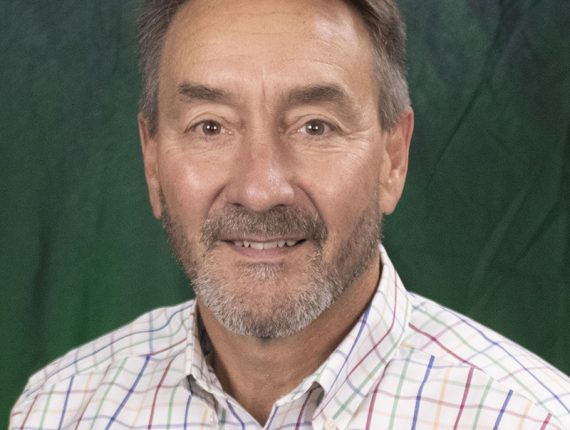
North Dakota State 78
Partner — Midwest Management Co.
Former United States Congressman
Rick is CEO of Great State Holdings, which encompasses three companies: Great States Investment, Great States Construction and Collective. The combined companies focus on the acquisition, development, and management of multi-family projects. They have holdings in North Dakota, South Dakota, Minnesota, Montana, and Arizona.
Rick is past president of Berg Group, LLC, which focused on providing capital and financing for commercial real estate partnerships. His career started in 1981 as a partner in Midwest Management Co., a start-up multi-family management company. In 1987, he started Goldmark Commercial Corporation, a brokerage company focused on commercial real estate investment including office, retail, warehouse and multi-family.
He served in the North Dakota Legislature for 26 years as Speaker of the House, Majority Leader, Caucus Chairman and Chairman of the Business Committee. In 2010, he was elected to the US House of Representatives where he served on the House Ways and Means Committee with a focus on taxation and budget. In 2012, he ran for the US Senate.
Rick served on the Fraternity’s International Executive Board from 1986-94, including two terms as President. He also served on the FarmHouse Foundation Board of Trustees from 1994-2000. He was named a Master Builder of Men in 2012.
Rick, his wife Tracy and son Jack (24 years old) reside in Fargo, N.D.
Dick is board chairman and retired manager of Wittman Farms, a 20,000-acre dry land crop, range cattle and timber operation in northern Idaho. After degrees from the University of Idaho and M.B.A. from the University of Utah, Dick worked for the Farm Credit System in the Pacific Northwest and Washington, D.C. In 1980, he joined the family farm in Idaho and established a private consulting practice focusing on financial management, family business governance, process improvement, business succession planning, and more recently consultant training.
He has served on several industry, community and bank boards. He is a founding director and past president of the Pacific Northwest Direct Seed Association, and has served since 2007 on EDF’s farm advisors group. He is a director and past president of the Farm Financial Standards Council. He has authored numerous articles for farm magazines, has served on the faculty for the TEPAP Ag Executive Program since 2003, and is an adjunct faculty member of Texas A&M University. He is on the board of advisors for the Farm Journal Legacy Institute. He became a Foundation Trustee in 2016 and serves as Governance Chair.
Dick and his wife, Dawn, a retired Lewiston city library director, have five adult children and live in Culdesac, Idaho. The Wittman Family helps sponsor an Outdoor Education Camp located on their farm that gives hundreds of students, teachers and natural resource professionals exposure annually to key natural resource concepts.
Chris is a grain merchandiser and Vice President for Agrex, Inc. Agrex, a subsidiary of Mitsubishi Corporation, is an agricultural commodity trading company which provides a broad base of services from origination to financing and logistics to assist the agricultural community. He currently serves on 3 joint venture boards located in North Dakota.
Chris graduated from the University of Minnesota in 2002 with a degree in Ag Industries and Marketing and a minor in Animal Science. He has served 6 years on the Minnesota FarmHouse Association board and was actively involved in the new chapter house project as well as lead the most recent search committee for new Housemother. Chris has been a long-time generous donor to the Foundation, including as a member of the Chairman’s Club for the FH Excellence Fund for the last two years. He became a Foundation Trustee in 2021.
Chris and his wife, Stephanie, have two children Beckett and Jordyn and reside in Medina, Minn. In his free time, Chris enjoys coaching youth sports, time at the lake, and traveling.
Charlie oversees the Business Restructuring & Reorganization Practice in Jones Day’s Columbus, Ohio office, where he has practiced since graduating from law school in 1991. His practice focuses primarily on corporate restructuring, bankruptcy and other insolvency-related matters. He has played leading roles in Jones Day’s representation of debtors, creditors’ committees, asset purchasers and other parties in large corporate restructurings, both in court and out of court, across the country. Charlie also provides insolvency-related advice in litigation and transactional contexts. In addition, he serves as the Executive Editor of Jones Day’s bimonthly Business Restructuring Review.
Charlie is a native of Nebraska and a graduate of Harvard University (J.D.), Purdue University (Ph.D.) and the University of Nebraska-Lincoln (B.S.). He was an active member of the Nebraska FH Chapter as an undergraduate. Charlie served as president of the board of directors of the Christian Legal Society for the term of 2020-22. He became a FH Foundation Trustee in December 2020 and lives in Columbus, Ohio, where he is involved with the Ohio State FH Chapter and Association.
Jim graduated from Auburn University in 1984 with a degree in accounting and joined Coopers & Lybrand, a predecessor of PricewaterhouseCoopers LLP. Jim was admitted to the partnership in 1994. As an Assurance Partner, Jim served clients in the insurance, healthcare, retail and consumer, and industrial products industries. He later served as PwC’s lead Risk Management Partner for both the East Region and the Insurance Sector, responsible for evaluating and managing risks and helping engagement teams and clients resolve financial and reporting matters.
Jim retired from PwC in 2018. Jim and his wife, Janice, live in Alabama where they split time between their home in Birmingham and their farm. They have two married daughters and a grandson who also live in the Birmingham area. Jim is active in his church and enjoys spending time with family, managing their outdoor resources, and quail hunting.
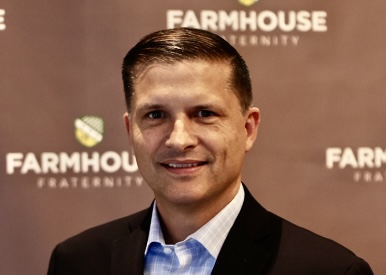
Illinois 92
Director of Production and Precision Ag Marketing — John Deere
In his current role, Darren is the Director of Production and Precision Ag Marketing at John Deere. Over his 29-year career with John Deere, Darren has held several Sales, Marketing, and Business Development responsibilities, leading several growth initiatives including the expansion of John Deere’s Precision Ag Business and Dealer capabilities. During his time with John Deere, Darren has lived in 6 states, internationally in Singapore, and has traveled extensively, helping him better understand customer needs and opportunities to deliver innovative products/solutions for global markets.
Darren grew up on a 6 generation-family farm near Bushnell, Illinois. FarmHouse played an important role in the transition from a small town to the University of Illinois, while also building lifelong friends. While at FarmHouse, Darren served as Treasurer and President, helping to hone his leadership skills that have continued to benefit him throughout his career at John Deere.
Darren is a 1995 Graduate of the University of Illinois, with a degree in agriculture economics. He received an EMBA from Purdue University in 2002. Darren currently resides in Overland Park, Kansas, with his wife Jody and they have three children. Darren and his family are members of the Church of the Resurrection in Leawood, Kansas.
Craig lives in Shenandoah, Iowa, with his wife, Kathy, and have two children, Shannon and Chad (IA 98). Upon completing his degree, Craig spent 10 years as a pilot with the United States Air Force. He served four years in the Vietnam War piloting C-141 aircrafts out of McChord Air Force Base in Tacoma, Wash. He remained a member of the Air Reserves for three more years. Craig then earned a master’s degree in agriculture economics and began his 40-plus year career in farm management and appraisal.
He first joined The Sandage Company as a farm manager and real estate agent. During this time, he served as a member of the Iowa FH Association Board and became involved with the Iowa Chapter of the American Society of Farm Managers and Rural Appraisers, an association founded by FarmHouse Founder, D. Howard Doane (MO 05). He also spent time working with Gibson Farms, Inc.
In 1991, Craig entered into a new career in farm management and appraisals. He joined Farmers National Company, then Farm Credit Services of America in 2001 and retired from there in 2016. He is now associated with Peoples Company and has his own agriculture appraisal business of Harris Appraisal Services. During his tenure, he worked with the USDA and USAID leading delegations to the Czech Republic and Slovak Republic to teach courses on farm management, real estate appraisal and real estate brokerage.
Craig was named a FH Master Builder in 2020. He served on the Fraternity’s International Executive Board from 2000-2006 and became a Foundation Trustee in December 2020. Craig has served on the First United Methodist Church of Shenandoah Board of Trustees, the Shenandoah Medical Center Foundation Board, Shenandoah Chamber and Industry Association Board of Directors as well as other local organizations. Craig and Kathy, recently celebrated 52 years of marriage and are lifelong supporters of Iowa State University.
Gary is a retired risk management professional and a commercial arbitrator. He is a graduate of South Dakota State University with a Bachelor of Science degree in economics and political science; the Graduate School of Banking, University of Wisconsin-Madison; and Mitchell Hamline School of Law, St. Paul. Gary is a Mitchell Hamline Alumni Board member and is active in the Minnesota State Bar Association.
Gary is serving his fifth term on the Eagan, Minnesota City Council. He is acting mayor when needed in the mayor’s absence, serves as vice president of the Eagan Economic Development Authority, and represents Eagan on numerous regional boards, including the Minnesota Valley Transit Authority, Suburban Transit Association, and the Twin Cities Metropolitan Council’s Transportation Advisory Board.
Gary is a past president of the Association of Metropolitan Municipalities (Metro Cities) and serves on Metro Cities and League of Minnesota Cities legislative policy committees. He is a charter member of the Eagan Kick-Start Rotary Club. While at South Dakota State, Gary was active in student government and served as chapter president and associate editor of Pearls & Rubies. He was a Doane Award recipient in 1974. He is a past director and officer of the Minnesota FarmHouse Association.
Gary and his wife Kathy have two daughters, Andrea Murphy and Kelly Darwitz; sons-in-law Daniel Murphy and Ryan Darwitz; a son, Tim, and four granddaughters.
Bryce currently serves as the Chief Operating Officer for District Cannabis, producing medical and recreational-use products for the Maryland and Washington, DC markets. Bryce graduated from Iowa State University in 1996 in chemical engineering. Prior to DCM, Bryce served as a supply chain and human resources executive for McCormick & Co. and worked for Procter & Gamble for 17 years in manufacturing roles of increasing responsibility, including a plant manager role in Ireland and leading P&G’s contract manufacturing network of 70 plants in the U.S. and Canada.
Bryce feels very fortunate to be active in FarmHouse. He served on the Iowa State FH Association Board, including a term as chair, and served for eight years on the FH International Executive Board including four years as President. He joined the FarmHouse Foundation Board of Trustees in April 2022. FarmHouse is one of the biggest positive influences on Bryce’s life and he treasures the lifelong friendships and leadership influences from his fraternity experience. Bryce believes that “progress shall mark our every step” and makes a lot of steps as an active marathoner and triathlete.
Bryce lives in Columbia, Md., with his wife, Marisa Pace, who is a U.S. Army Colonel serving as the Director of Congressional Affairs for the Army Reserve, and with their busy college student, Bennett, and high schooler, Clara.
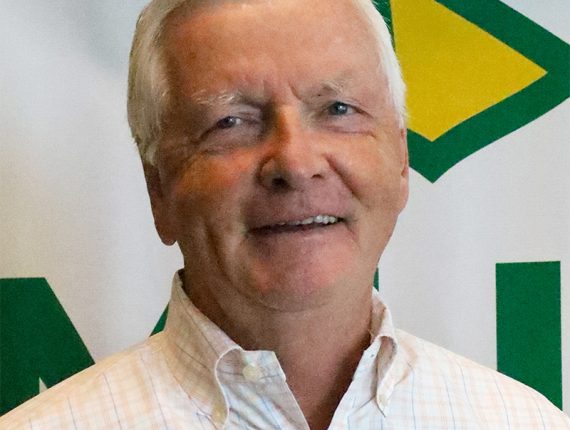
Fundraising Chair
Iowa State 67
Retired Chairman/CEO — National Bureau of Property Administration, Inc.
Lloyd is retired chairman and CEO of the National Bureau of Property Administration, Inc., a tax consulting company. He graduated from Iowa State University in agricultural journalism and earned an M.B.A in accounting and finance from the University of Chicago.
Over the first 20 years of his career, he gained broad management experience at four different public companies: The Jewel Companies in Chicago, Denver, and San Diego; The Northern Trust Bank in Chicago; the First National Bank of Chicago, and ConAgra in Greeley, Co. In 1989, he returned to Chicago with the goal of acquiring a business, which led him to the National Bureau of Property Administration, a tax consulting company started in 1935. The business focused on ad valorem taxes for large corporate industrial clients throughout the U.S. He initiated and led the purchase of this business, along with other key staff. He served as Chairman/CEO until he retired at the end of 2015.
Lloyd and his wife, Kathryn, are Iowa State University Foundation Governors and served on the Foundation’s campaign committee coordinating Forever True, For Iowa State, an eight-year $1.5 billion campaign. Lloyd served as chair of the investment committee and chair of the ISUF board of directors. He joined the FarmHouse Foundation Board of Trustees in 2018 and serves as fundraising chair. Lloyd and Kathryn split their time between Naples, Fla. and Glenview, Ill. They have one married son, Chris, in Moline, Ill.
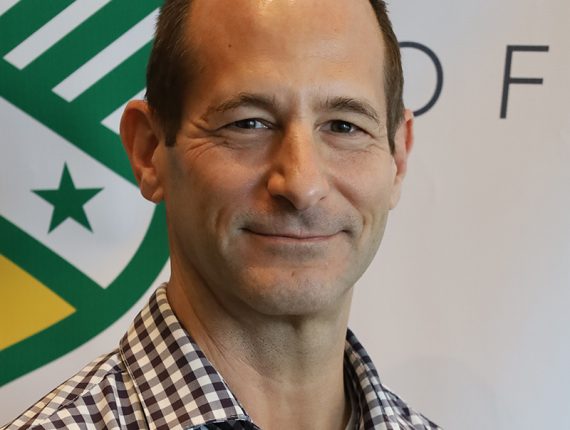
Chairman-Elect
Nebraska 89
Co-Founder & Managing Director — Three Bridge Wealth Advisors
Eric brings to the team experience, a deep understanding of the industry, intelligence, vision, and passion. Eric believes strongly in a value-based approach to wealth planning, advising clients with an integrated approach that spans investment consulting, estate planning, philanthropic planning, risk management and expert relationship management. He also has 25 years of experience with investment manager due diligence, portfolio construction, asset allocation and alternative investment analysis.
Eric started working on Wall Street in Solomon Brother’s Sales and trading program in New York City. He has served as a financial advisor to wealthy families since 1995, when he began his career at Montgomery Securities in the private client department. In 1998, he joined Salomon Smith Barney, where he founded and built the venture group. Before founding Three Bridge, he was a senior wealth director and senior vice president at Morgan Stanley Smith Barney. During his tenure with Morgan Stanley Smith Barney, Eric participated at Stanford University’s executive education program that was offered only to top advisors. Before Citi’s merger with Morgan Stanley, he was a senior wealth director at Citi family office, a division of Citigroup formed to serve the wealthiest and most sophisticated clients of the firm.
Eric holds a JD from Harvard Law School and a bachelor of science in agricultural honors, with high distinction, from the University of Nebraska-Lincoln. He holds a certified investment management analyst (cima) designation administered by the Investments & Wealth Institute and taught in conjunction with the Wharton school. Eric is the current chair of the International Farmhouse Foundation Board of trustees.
A committed industry leader, Eric is a member of the inaugural JP Morgan ria advisory council, and is considered a thought leader in the industry, having been quoted in the Wall Street Journal, CNBC, Registered Rep Magazine, Investment and Wealth Monitor, and has been interviewed on the wall street journal radio network.
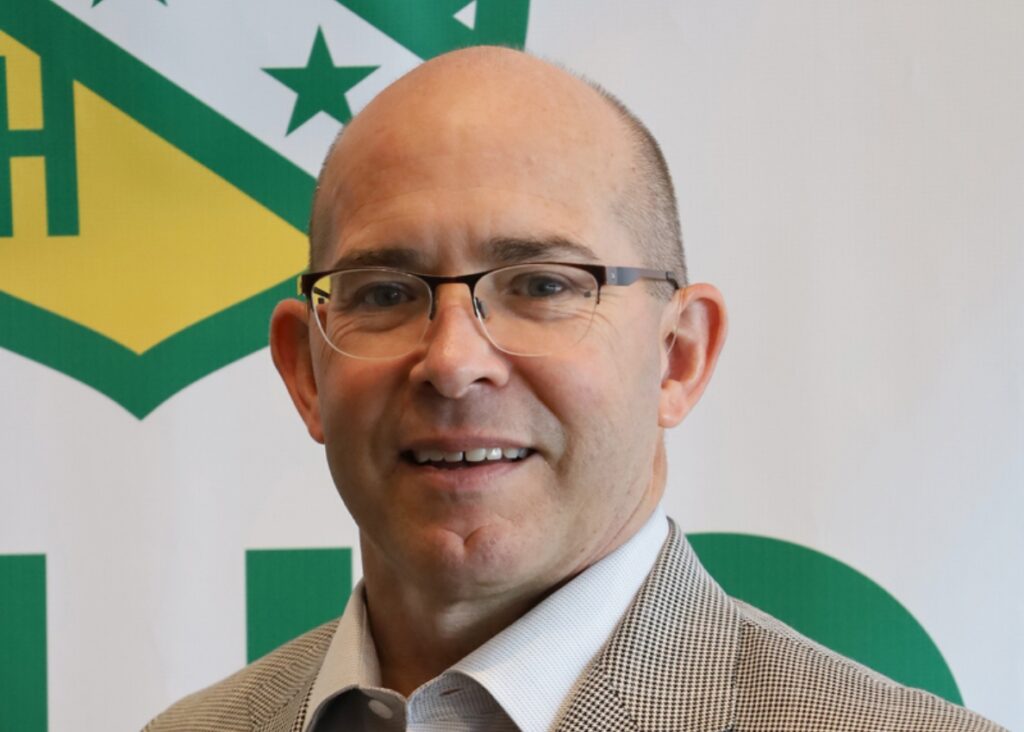
Director
Missouri 85
Kansas City, MO
Chief United States Bankruptcy Judge for the Western District of Missouri
Brian graduated from the University of Missouri in 1988 with a degree in Agricultural Economics and received a JD from the University of Michigan Law School in 1990. Brian became an active FarmHouse member on April 21, 1985, and served as Social Chairman and President of FarmHouse while at Mizzou. Brian was appointed by the United States Court of Appeals for the Eighth Circuit to become a United States Bankruptcy Judge for the Western District of Missouri on August 31, 2017. Brian previously led the bankruptcy and creditors’ rights practice at Lathrop Gage LLP (now LathropGPM) for more than 20 years, appeared in cases throughout the United States, and served on the firm’s Executive Committee for several years. Brian became the Chief United States Bankruptcy Judge for the Western District of Missouri on January 1, 2020, and recently presented a program on Chapter 12 Farm Bankruptcies to all U.S. Bankruptcy Judges.
Brian and his wife, Lorna, both grew up on farms in northwest Missouri and currently live in Kansas City, Missouri. They have two children—Rachel (completing her residency in family medicine) and Will (a StuMo campus minister at Mizzou).
Scott is retired president of ADM-Benson Quinn. He graduated from the University of Minnesota-St. Paul with a degree in agricultural economics. After graduation, he started his career with Benson-Quinn Company in Owatonna, Minn. He later transferred to Minneapolis, Minn., where he held positions in grain accounting, wheat merchandising and freight trading.
He has worked on both the trading side of the business in both grains and freight, and subsequently began working with Archer Daniels Midland Co. (ADM) in 1997 with ADM’s purchase of Benson-Quinn Co. Scott has served as president of ADM-Benson Quinn since January 2008. Additional responsibilities include commodity brokerage, elevator financing, elevator management and wholesale and retail fertilizer distribution. Their office manages the northern region of the United States as well as portions of Canada of Ag Services & Oilseeds division within ADM for both grain and North America for fertilizer activities. Post ADM career will include consulting and board activities for both for profit and non profit organizations.
Scott became a Foundation Trustee in 2018 and recently concluded his term as Chairman. He held board responsibilities for the Minneapolis Grain Exchange. He served on several joint venture boards within the Benson Quinn business unit structure and Pacificor JV, a grain export terminal in the Pacific Northwest.
Scott and his wife, Jean, live in Maple Grove, Minn., and they have two grown children, Andrew and Emily.
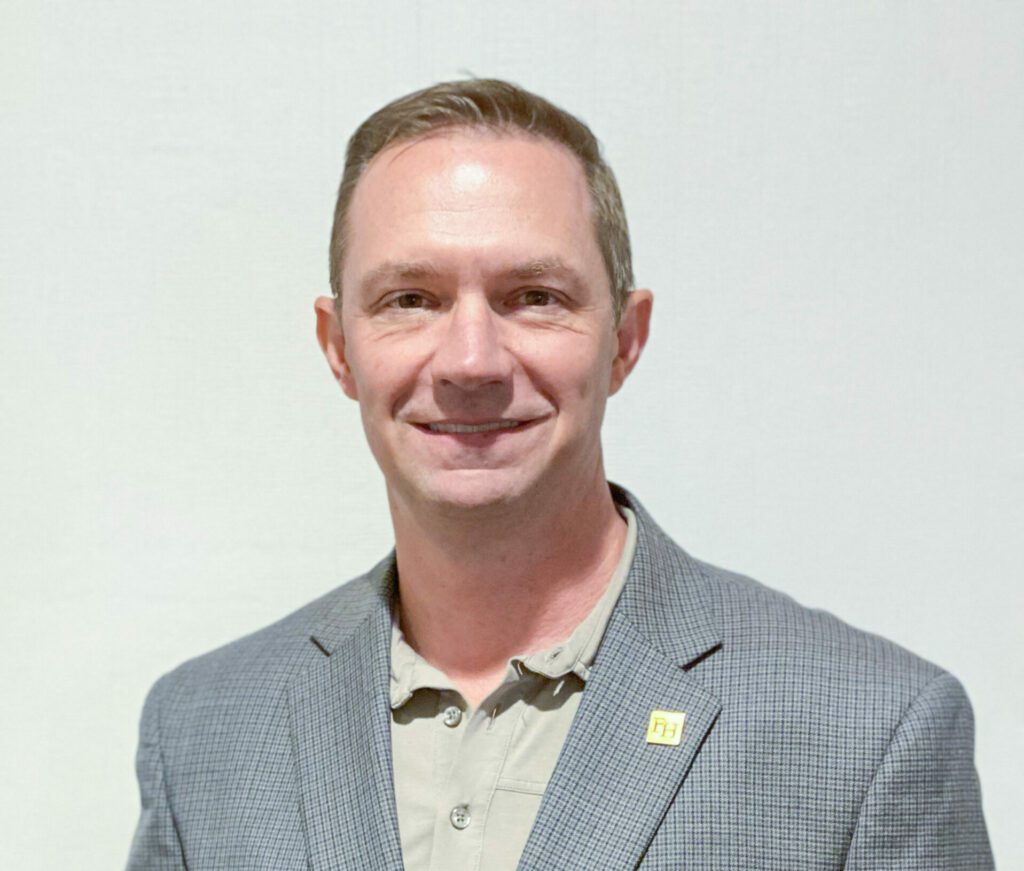
Vice President
Missouri 93
Austin, TX
Senior Assistant Dean and Director over the Working Professional and Executive MBA Programs at the McCombs School of Business, University of Texas – Austin
Joe serves as the Senior Assistant Dean and Director for the Working Professional and Executive MBA Programs at the McCombs School of Business for the University of Texas in Austin. He has worked in this role since 2014.
After 18 years growing up on the family farm, Joe graduated with a degree in Agricultural Education – Business/Industry in 1996. He went on to earn an M.A. in College Student Personnel at Bowling Green State University in 1998 and an MBA from Washington University in St. Louis in 2005. As an undergraduate, Joe served on the Mizzou IFC, Greek Week and RAMS Steering Committees, and was selected as Outstanding Greek Man and Mizzou’s Most Outstanding Senior. He worked for FarmHouse International Fraternity as the Director of Expansion and Growth from 1999-2001.
Joe has spent the majority of his professional career devoted to higher education, with a stint in Brand Management at Nestle Purina. Prior to Texas McCombs, Joe served in assistant director and director roles at Washington University in St. Louis and at Mizzou as Assistant Dean of MBA Programs in the Trulaske College of Business. Joe, his wife Cheryl and two daughters live in Austin, Texas.
Judson is the Controller for High Level Marketing, a national digital marketing agency recognized as one of the fastest growing private companies in the nation by Inc 5000. Prior to his current role, Judson spent time in public accounting, specializing in Governmental and Nonprofit Accounting for Jackson Thornton and Co., a public accounting firm in Montgomery, Alabama.
Judson graduated with his Bachelors of Science in Business Administration in 2011, and in 2012 completed his Masters of Business Administration with a focus in Accounting. During his time as an undergraduate member, Judson served in the executive leadership roles of Secretary and President. Judson was selected as FarmHouse International Outstanding Chapter President of the Year after helping the Troy Chapter capture its first Ruby Cup in 2009. He was also the recipient of the Chapter’s Doane Award and was chosen as the Order of Omega Greek Man of the Year in 2010. Judson was elected to the International Executive Board in 2016, where he currently serves as Treasurer.
Judson and his wife, Robin, and daughters, Evelyn and Alice, reside in Montgomery, Alabama.
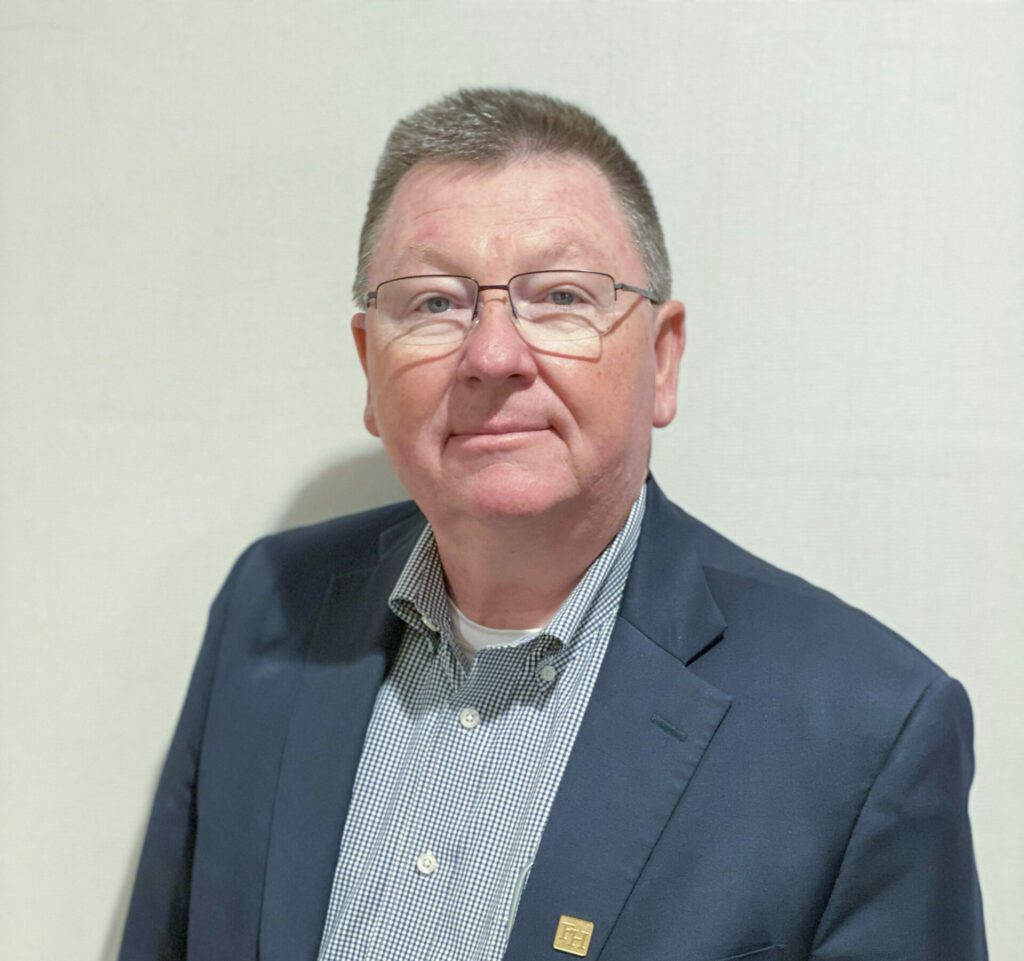
Director
Illinois State 83
Cedar Falls, IA
Owner and Operator, Robisky Farms and Northfork Kennels
Steve owns and operates Northfork Kennels with his wife, Michele. They are a licensed kennel raising German Shorthaired Pointers and Miniature Schnauzers as well as boarding and training for all breeds. He recently retired from John Deere in November 2021 after a 31-year career with the company.
In addition, they own and operate Robisky Farms, approximately 700 acres of farmland. Steve is a conservationist who devotes his time and effort to managing his property and others for the enhancement of wildlife, clean water, and clean air. He also does a fair amount of custom prairie and USDA Conservation Reserve Program (CRP) maintenance for others.
He is an avid upland bird hunter who can frequently be found chasing his German Shorthairs over the prairie in the fall. He’s a lifetime member, officer, and inductee of Pheasants Forever Hall of Fame.
His wife is a Director of Financial Reporting for TransAmerican Life Insurance and has been with TransAmerican for more 25 years. Together, they have three daughters, Anna, a 2021 Iowa State graduate who works for John Deere in Supply Management and is an NFL Cheerleader with the Tennessee Titans; Aimee a senior in the School of Design at Iowa State University; and Marissa an incoming freshman in the School of Engineering at Iowa State University.
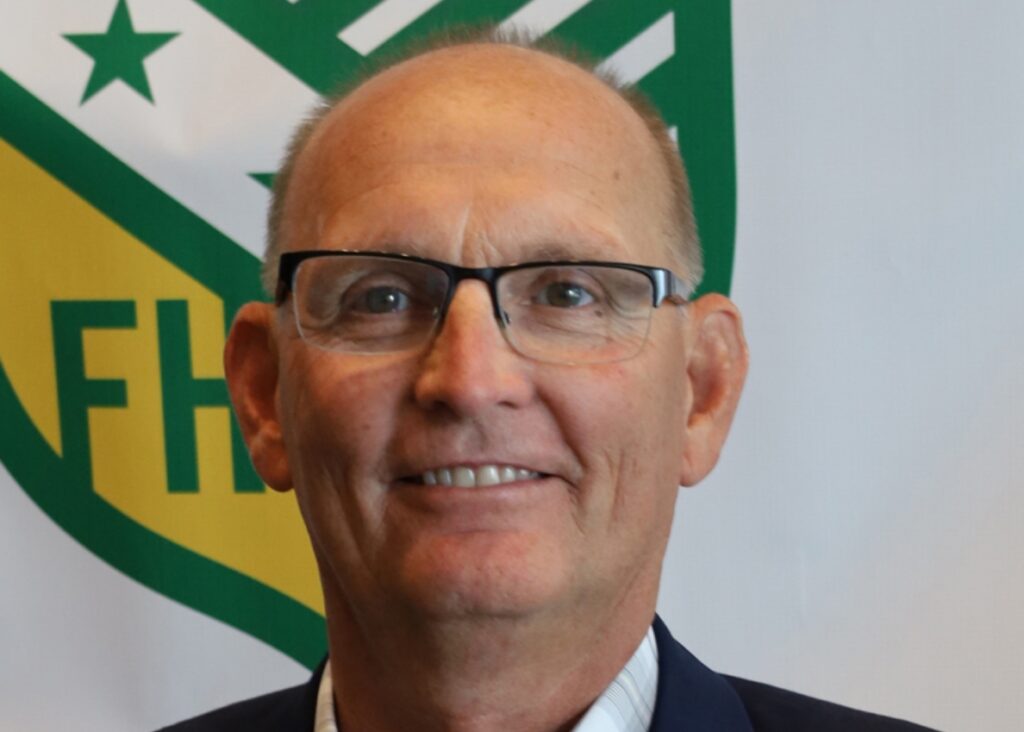
Director
Nebraska 81
Sumner, NE
Under Secretary in Residence, Institute of Agriculture and Natural Resources, University of Nebraska, Lincoln
Greg is the Under Secretary-in-Residence at the University of Nebraska Lincoln’s Institute of Agriculture and Natural Resources. During the Trump Administration, Greg served as the U.S. Department of Agriculture (USDA) Under Secretary for Marketing and Regulatory Programs. Prior to joining USDA, Greg led Nebraska’s Department of Agriculture for 13 years, making him the longest serving director in the organization’s history. Greg served as president of the National Association of State Departments of Agriculture. He is an inductee of the Nebraska Hall of Agricultural Achievement and honored with the Service to Agriculture Recognition from the University of Nebraska-Lincoln.
Greg earned his Bachelor of Science Degree in Animal Science and Agricultural Economics from the University of Nebraska. He and his wife, Teresa, have three grown children, Evan (Nebraska 11), Alec (Nebraska 11) and Emily. With the help of his family, he and Teresa continue to maintain a cow/calf and grain operation near Sumner, Neb.
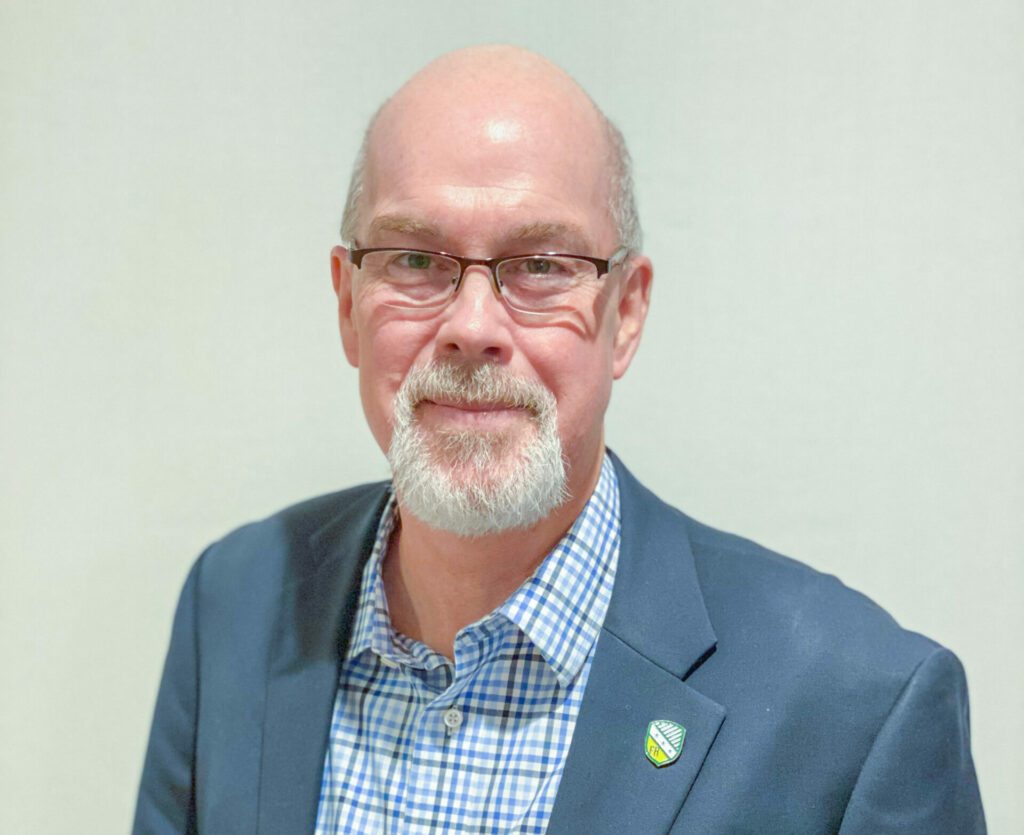
Director
Ohio State 79
Columbus, OH
Chair, Department of Animal Sciences, The Ohio State University
John has been Interim Associate Director of the Farm Financial Management and Policy Institute, in the College of Food, Agricultural and Environmental Science at the Ohio State University (OSU) since fall, 2021. He previously served as Chair of the Department of Animal Sciences at OSU from 2017-21. Prior to his service at Ohio State he served as Special Assistant to the President for Agricultural Initiatives at the University of Idaho and had previously served there as Dean of the College of Agricultural and Life Sciences for four years and as Associate Dean for Academic Programs for eight years.
Professor Foltz received his bachelor’s and master’s degrees in agricultural economics from Ohio State University. Foltz worked for six years as a district manager for Ralston Purina in Ohio and Pennsylvania marketing livestock feed and animal health products. Subsequently, he received his Ph.D. in agricultural economics from Purdue University and was at the University of Idaho for 26 years. As an undergraduate at Ohio State, he was a member of Alpha Zeta Fraternity, now FarmHouse Fraternity at Ohio State. John and his wife Barbara have two sons — John (Ohio State 02) and James (Idaho 07).
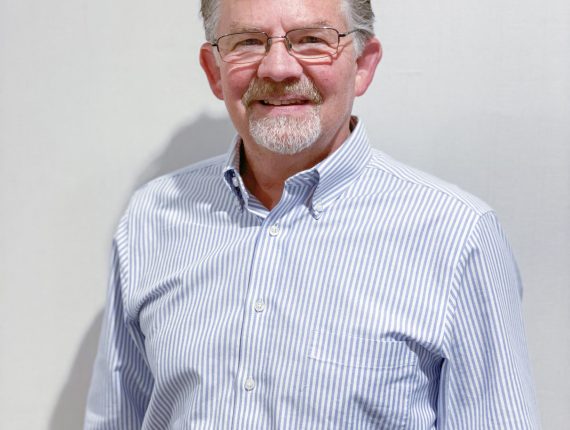
Director
Iowa State 78
Shenandoah, IA
Regional V.P. of Southwest Iowa, Farm Credit Services of America
Corby is Regional Vice President of Business Development for Farm Credit Services of America for southwest Iowa with offices in Red Oak, Harlan and Carroll. After graduating from Iowa State University with a degree in agriculture business, Corby began working as a loan officer with Federal Land Bank Association in 1980 in Forest City, Iowa. Federal Land Bank Association became a part of Farm Credit Services of America in which Corby has held various roles for over 40 years. He also manages and operates an 1,800-acre farm near Randolph, Iowa. He serves as President of the Shenandoah Iowa Education Foundation. In 2020, Corby was honored as Iowa State University’s Outstanding Ag Business Alumni of the Year.
Corby and his wife, Jean, have been married for over 40 years and live in Shenandoah, Iowa. Jean graduated with a degree in home economics education from Iowa State University, where she was a FarmHouse sister. She worked for Principal Financial Group for a decade before raising their three children. During that time, she was heavily involved in church and homeschool activities. In 2017, Jean was elected to the Shenandoah Community School Board of Directors, where she has served as president for four years. She also volunteers in their community and helps care for their granddaughter.
Corby and Jean have three grown children, Austin (Iowa State 12), Adam (Iowa State 12) and Heidi. Corby’s father, the late A. Corby Fichter, Jr. (Iowa State 50) and Heidi’s husband, Chris Mandt (Iowa State 15), are also FarmHouse members. Austin was a student attendee at the 2015 Power of 7 Seminar. Austin and his wife, Jourdan, and their daughter live in Gretna, Nebraska; Adam and his wife Marissa and their 2 daughters live in Ames, IA., and Heidi and Chris live in Clive, Iowa. The Fichter family was honored with Iowa State University’s Family of the Year Award in 2020, an honor that is given to a family that shows a strong connection and pride for the University.
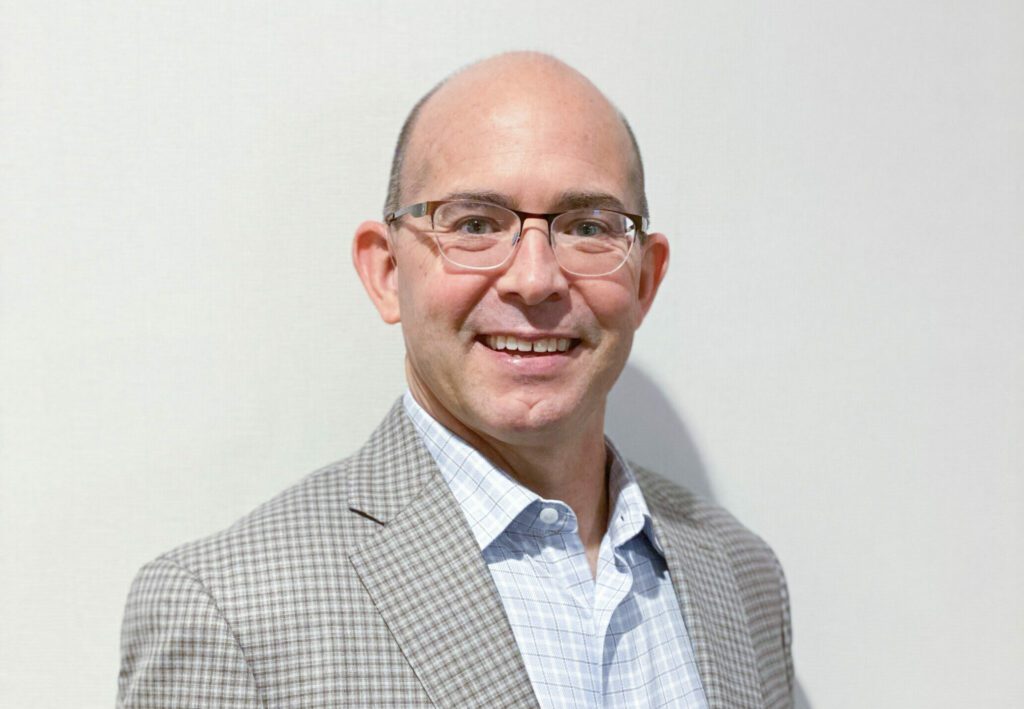
Director
Missouri 85
Kansas City, MO
Chief United States Bankruptcy Judge for the Western District of Missouri
Brian graduated from the University of Missouri in 1988 with a degree in Agricultural Economics and received a JD from the University of Michigan Law School in 1990. Brian became an active FarmHouse member on April 21, 1985, and served as Social Chairman and President of FarmHouse while at Mizzou. Brian was appointed by the United States Court of Appeals for the Eighth Circuit to become a United States Bankruptcy Judge for the Western District of Missouri on August 31, 2017. Brian previously led the bankruptcy and creditors’ rights practice at Lathrop Gage LLP (now LathropGPM) for more than 20 years, appeared in cases throughout the United States, and served on the firm’s Executive Committee for several years. Brian became the Chief United States Bankruptcy Judge for the Western District of Missouri on January 1, 2020, and recently presented a program on Chapter 12 Farm Bankruptcies to all U.S. Bankruptcy Judges.
Brian and his wife, Lorna, both grew up on farms in northwest Missouri and currently live in Kansas City, Missouri. They have two children—Rachel (completing her residency in family medicine) and Will (a StuMo campus minister at Mizzou).
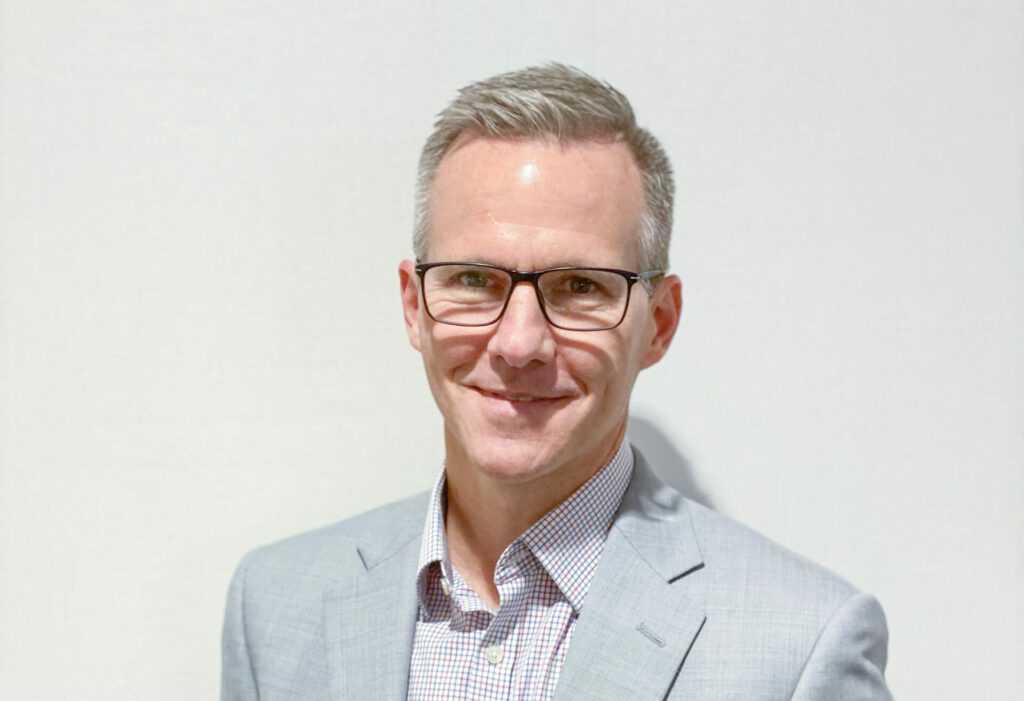
President
Purdue 90
Nashville, TN
Associate Vice Chancellor of Finance, Vanderbilt University
Eric serves as the Associate Vice Chancellor for Finance at Vanderbilt University. Eric’s responsibilities include treasury, debt and cash management, financial planning and analysis, developing the annual university budget, the university’s capital plan, overseeing athletics finance and the finances of the 10 academic schools, and the vice-chancellors’ financial operations. Prior to Vanderbilt, Eric spent 15 years at Emory University in Atlanta, Ga. His most recent position was Associate Vice President for Finance & Operations in the Division of Campus Life. Before Emory, Eric spent seven years at Purdue University and Purdue Research Foundation, in West Lafayette, Ind. in a variety of roles including managing commercial and residential real estate as well as serving as a business and contracting officer in the School of Engineering and School of Agriculture.
Eric received his bachelor’s degree in business management from Purdue University’s Krannert School of Management and earned a master’s degree in higher education administration also from Purdue University. He joined the Fraternity Board at the 2018 Conclave and serves as vice president. Eric also serves on the board for Boys & Girls Clubs of Middle Tennessee. He lives in Nashville, Tenn.
Director
Iowa State 78
Shenandoah, IA Regional V.P. of Southwest Iowa, Farm Credit Services of America
Corby is Regional Vice President of Business Development for Farm Credit Services of America for southwest Iowa with offices in Red Oak, Harlan and Carroll. After graduating from Iowa State University with a degree in agriculture business, Corby began working as a loan officer with Federal Land Bank Association in 1980 in Forest City, Iowa. Federal Land Bank Association became a part of Farm Credit Services of America in which Corby has held various roles for over 40 years. He also manages and operates an 1,800-acre farm near Randolph, Iowa. He serves as President of the Shenandoah Iowa Education Foundation. In 2020, Corby was honored as Iowa State University’s Outstanding Ag Business Alumni of the Year.
Corby and his wife, Jean, have been married for over 40 years and live in Shenandoah, Iowa. Jean graduated with a degree in home economics education from Iowa State University, where she was a FarmHouse sister. She worked for Principal Financial Group for a decade before raising their three children. During that time, she was heavily involved in church and homeschool activities. In 2017, Jean was elected to the Shenandoah Community School Board of Directors, where she has served as president for four years. She also volunteers in their community and helps care for their granddaughter.
Corby and Jean have three grown children, Austin (Iowa State 12), Adam (Iowa State 12) and Heidi. Corby’s father, the late A. Corby Fichter, Jr. (Iowa State 50) and Heidi’s husband, Chris Mandt (Iowa State 15), are also FarmHouse members. Austin was a student attendee at the 2015 Power of 7 Seminar. Austin and his wife, Jourdan, and their daughter live in Gretna, Nebraska; Adam and his wife Marissa and their 2 daughters live in Ames, IA., and Heidi and Chris live in Clive, Iowa. The Fichter family was honored with Iowa State University’s Family of the Year Award in 2020, an honor that is given to a family that shows a strong connection and pride for the University.
Brian is a partner in the law firm of Lathrop GPM LLP, working in their Kansas City office. He is a member of the firm’s labor, employment and higher education practice group. Brian advises employers on compliance issues relating to labor and employment laws and defends employers in contested matters. He assists public and private companies in many industries including manufacturing, professional services and health care as well as several non-profit organizations.
He is a frequent speaker on human resources law topics at seminars and client training programs, and serves as a contributing editor to the legal treatise “The Developing Labor Law”.
Brian received undergraduate degrees in food technology and business administration from Iowa State University and his law degree from Northwestern University School of Law in Chicago.
Previously, he served on the board of Wonderscope: the Kansas City Children’s Museum (including 5 years as president) and on the board of the Arthritis Foundation of Greater Kansas City. Currently, Brian is a member, and past chair, of the steering committee for the Heartland Labor and Employment Law Institute, a program of the University of Missouri-Kansas City.
He became a Foundation Trustee in December 2019. Brian and his wife, Patricia Martin, live in Kansas City, Mo. They have two adult children, Meredith and Philip.
Jim graduated from South Dakota State University in 1973 with a degree in agriculture and was commissioned a 2nd Lieutenant through Army ROTC. After college and military service, he started his business career for 15 years making loans to farmers and ranchers in South Dakota and Nebraska thru Federal Land Bank Associations. He was later hired as Vice President- Credit for Cummins Financial, a subsidiary of Cummins Engine Company.
Always wanting to be a business owner, Jim and his wife, Shelly, purchased a distributor of drycleaning and laundry supplies in Dallas, Texas. In 27 years, they grew the business to 15 distribution centers, supplying dry cleaners and commercial launders in 22 states, in the south central and southeastern United States.
Jim is presently CEO of FabriClean Supply, and Shelly is a Vice President, with the headquarters in Dallas, Texas. Jim and Shelly have three sons and three grandchildren.
Jim joined the Foundation’s Board of Trustees in April 2022.
Jon Jarvis currently serves as Assistant Vice President of Finance at AT&T. In this capacity, he leads the Finance Global Commissions division, tasked with overseeing the commission payment, validation, and audit of AT&T’s consumer and business channels. His responsibilities extend to Telecom and Cable industry analysis and providing support to Investor Relations. Before assuming his current role, Jon was part of the Corporate Strategy team, where he helped develop long-term corporate strategies and initiatives across AT&T Communications.
Jon’s journey with AT&T began in 2009 when he joined the company’s Leadership Development Program. Since then, he has served in diverse management capacities within the company, spanning finance, corporate strategy, marketing communications, business strategy, sales management, sales operations, and network field operations. Before joining AT&T, Jon worked at LPL Financial and J.P. Morgan and as an Adjunct Professor of Finance. Jon is a graduate of the University of Missouri, where he obtained his BSBA with an emphasis in Finance and Banking, followed by a Master of Business Administration. He continues to maintain active ties with the university as a member of the University of Missouri Trulaske College of Business Finance Advisory Board, Jefferson Club, Davenport Society, and as a lifetime member of the Mizzou Alumni Association.
Jon and his wife, Larissa, live in Frisco, Texas with their two dogs, Warren and Charlie.
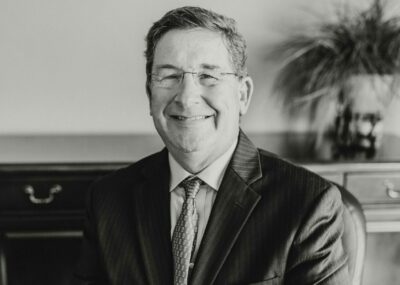
Oklahoma State 75
Investment Adviser Representative — Voya Financial Advisors, Inc.
A longtime resident of Edmond, Oklahoma, Kevin is active in the community. He is currently involved with Center of Family Love and the Oklahoma Family Network.
After graduating from Oklahoma State University with a BS and MS degree, Kevin taught people about vocational agriculture, banking and entrepreneurship. He graduated from the Graduate School of Banking in Madison Wisconsin and completed his CFP requirements from Oklahoma City University. Kevin is also a licensed real estate agent.
Kevin and his wife Monica, corporate attorney, have two children. Their son, Dr. Robert “Rob” Wittrock, Oklahoma State ’07, is a pediatric physician. Rob and his wife Jamie have two children, Kevin and Anne. Kevin and Monica’s other child is Sarah Moore. Sarah is an attorney and is married to husband Mitchell and they also have two children, Arthur and Cecilia “Cece”.
In Kevin’s spare time he likes to go to the lake, work on his farming operation which consists of 600 acres of wheat and stocker cattle, and of course chase his grandkids around. He also enjoys greetings at church and working for various charitable causes.
South Dakota State 87
Retired Corporate Secretary & Associate General Counsel — TransCanada PipeLines GP, Inc.
Jon recently retired after serving as Corporate Secretary and Associate General Counsel for TransCanada PipeLines GP, Inc. in Houston, Texas. Jon’s principal occupation has been Director, U.S. Governance and Securities Law in the U.S. Corporate Secretarial group of TransCanada. He joined TransCanada in January 2011 as Senior Legal Counsel and held that position until his appointment as Associate General Counsel, Corporate and Securities Law. He was also Corporate Secretary for the U.S. subsidiaries of TransCanada. Jon was responsible for U.S. corporate secretarial functions, securities law compliance, corporate governance and general corporate legal matters. Jon lives in Houston, Texas.
Dwight Raab is the former Chief Executive Officer of Illinois Farm Business Farm Management (FBFM) and currently serves as advisor. Dwight led the merging of eight local FBFM associations into the current single not-for-profit farm management association. His experience includes four different roles with FBFM – field staff, vice-president of data analysis, CEO and advisor. His experience also includes time as an ag lender at First Midwest Bank in Illinois and Indiana. His current role as advisor to FBFM includes training of new staff in the field and
classroom as well as developing new business for FBFM in Indiana. He served on Farmhouse’s IEB for eight years (1998-2006) and six of those years as president. He serves locally as a director of the Champaign County Humane Society, a director of the Gifford State Bank and as a commissioner of the Union Drainage District at Saint Joseph. He is in his fifth assignment as an instructor in the Agricultural Economics Department at the University of Illinois teaching a senior-level farm management/finance course.
Dwight attained a Bachelor of Science degree from Purdue University in agricultural economics in May 1983 and holds the designation Enrolled Agent with the Internal Revenue Service. Dwight rushed as a high school senior at the Purdue Chapter of FarmHouse and was fortunate to live at the chapter house for all four years while attaining his BS. At the 2008 Conclave in Lubbock, TX he received the Master Builder award. He married the love of his life, Marcia in June 1986 and they have three grown children, Megan, Lucas and Matthew. He and Marcia live
at Saint Joseph, Illinois. In his spare time he likes sitting in a tree stand with a bow and chasing pheasants with a good bird dog.
Nate Eckloff is a managing director in the public finance investment banking group in the Denver office. Eckloff has assisted in the issuance of over $24 billion in municipal bonds during his 39+ years in the public finance industry. His public finance practice is primarily focused in Colorado, Nebraska, Wyoming and Florida. Eckloff’s experience covers a wide range of tax-exempt and taxable municipal finance including general obligation bonds, public power and water and sewer revenue bonds, excise tax and non-ad valorem revenue bonds (sales tax, gas tax, etc.), special assessment bonds, higher education revenue bonds, healthcare revenue bonds and lease-purchase certificates of participation. He has served numerous school districts, special districts, cities, towns, counties and other state and local government issuers throughout his career.
Eckloff started his career at Coughlin and Company in Denver, a firm focusing on health care and general governmental finance in the Rocky Mountain Region. Prior to joining Piper Sandler, he was with RBC Capital Markets for 17 years and prior to that with Hanifen Imhoff/Stifel in Denver for 13 years. He has presented at numerous industry meetings including the Bond Buyer Conference, the Bond Market Association and several state and local Government Finance Officer Association meetings including the Treasure Coast (Florida), Colorado and Hawaii organizations. He is currently the vice president of the Colorado Municipal Bond Dealers Association (CMBDA), is a past president of the CMBDA and is a past chairman of the board of the Colorado Sports Hall of Fame. He is also a past president of the University of Nebraska Alumni Association in Lincoln.
Eckloff received his Juris doctorate and his Master of Business Administration degree from the University of Denver and his bachelor’s degree in agricultural honors from the University of Nebraska-Lincoln. He is the proud owner of the family farm in Nebraska, which has been in the family since the 1870s.
Chrissy grew up in a small, agricultural Kansas community and was raised in agriculture, which led her to attend Oklahoma State University. Chrissy graduated from OSU in May 2021 with a bachelor’s degree in agricultural communications and a bachelor’s degree in animal science. Her and her husband, Harrison, married in April 2022 and live on their family ranch in the Texas Panhandle.
Chrissy has a freelance communications business where she works with agricultural clients in her spare time. She also enjoys spending time working on the ranch, riding horses and canning.
Emily Little recently graduated with her master’s degree in college student affairs administration at the University of Georgia. She was a graduate assistant in the University’s vice president for student affairs office. She previously served as a state officer for FFA in Florida and as chapter president of Sigma Kappa sorority during her time as an undergraduate at the University of Florida. She will work remotely from her home in Athens, Georgia.
Cord Morlan graduated from Oklahoma State University in May, as a student, he was initiated into FarmHouse during 2020. As a FH undergraduate, he served as the vice president of new member education and on a variety of recruitment committees. Cord was involved with the campus ministry GreekWide, where he served as the executive coordinator. He will work remotely from his home in Stillwater, Oklahoma.
Christian Wiggins is FarmHouse Fraternity’s outgoing Executive Director and CEO. Christian’s skills, abilities and deep understanding of college campuses, fraternity/sorority life and FarmHouse’s ambitions advanced the Fraternity quickly and effectively while developing a team of highly-capable staff.
Prior to FarmHouse, Christian served as Chief Operating Officer for Pi Kappa Phi Fraternity where he managed operations, expansion and growth, training and education, communications, technology and lifelong member engagement. In his nine years as COO, he led a staff who more than doubled student membership, facilitated a successful organization re-brand, partnered with the Foundation to raise more than $9.3 million in major gifts and led the organization through a strategic plan and crafted and implemented another. Prior to his most recent role, he served the Fraternity as Director of Alumni Services and as a Hotel Operations Supervisor for Harrah’s Entertainment.
Wiggins holds a Master of Business Administration from the University of South Carolina-Darla Moore School of Business and a Bachelor of Science in Business Administration Management from the Martha and Spencer Love School of Business at Elon University in North Carolina. Over the course of his career, Wiggins has served on more than a dozen non-profit boards, including current service as board chair for Campus Pride, the Association of Fraternity/Sorority Advisors Foundation and the Coalition for Collegiate Women’s Leadership. He has given more than a decade of volunteer service at multiple levels with his Alma Mater.
He spent most of his childhood in rural western North Carolina with his grandparents and attempts to make it home five times a year to keep his close connection with his family. In his spare time Wiggins enjoys time with friends, traveling, cheering on a number of collegiate and professional sports teams, reading (especially biographies and works of history), staying active in his community, playing with his labrador Lumen and studying political science.
Don and his family own and operate Buhl’s Ridge View Farms, Inc. of Tyler, Minn., a successful farrow-to-finish operation that markets nearly 55,000 hogs per year.
Don graduated from the University of Minnesota with a degree in agricultural education in 1972. In 1975, he married his wife, Susan, and they began farming together in 1976 by renting the family farm from his parents and raising pigs. They’ve significantly grown their operations, efficiencies and sustainability over nearly 50 years. Two of their long-time employees are now partners in the operation.
The Buhls are founding members of the Pipestone System and have been active in its governance and as a producer. The production model aimed at allowing family farms to remain competitive through increased efficiencies. The Pipestone System is one of the top five pork producers in the United States.
Don’s involvement in the pork industry has been instrumental for over four decades. He has helped to develop programs for people new to the industry and to expand U.S. pork exports. He has had leadership roles on both the state and national level, serving as president of the Minnesota Pork Producers Association and president of the National Pork Producers. During his 10-year tenure on the board of directors for the National Pork Producers, he helped start leadership and legislative action programs and influenced U.S. trade agreements. In 2016, Don was the recipient of the University of Minnesota’s prestigious Siehl Prize for Excellence in Agriculture.
Despite all of Donald’s accomplishments during his nearly 50 years of farming, he says the best crop he ever raised was his children. Don and Susan have four adult children and four
grandchildren. Don is also involved in Farm Bureau, Lions Club and his church. He became a FarmHouse Foundation Trustee in December 2022. Previously, he was involved in the Minnesota FarmHouse Association and was a leader of their housing campaign committee. The Buhls continue to live on the farm Don grew up on near Tyler, Minn.
Katie grew up on farmland in Pennsylvania, and loves the outdoors and animals. She is responsible for data integrity in addition to special projects. She has spent 16 years working in the fraternal system, in addition to owning a small advertising agency since 1987. She attended the Atlanta College of Art and Design (now SCAD.)
Katie has been married to her husband for 40 years, and they have a married son (Trey and Kellie), and two granddaughters Maddie and Livi). Both her husband and son are members of Pi Kappa Phi. Hobbies include sewing, weaving, stained glass, reading, and cooking. A beloved part of their family is their 160 pound Great Pyrenees – Mousse!
Jason Butler is the Director of Leadership Giving for the FarmHouse Foundation. He provides leadership in the areas of major gifts, estate gifts, donor stewardship and data management as well as securing annual support for the FH Excellence Fund and advising FarmHouse associations with housing campaign planning. He is the staff liaison to the board’s Governance and Policy Committee.
He has been a fraternity professional for more than two decades and joined FarmHouse Foundation in October of 2019. He spent 15 years in fraternity fundraising and consulting with Pennington & Company, nine of those as partner and shareholder, assisting house corporations and national foundations secure more than $50 million to support students and facilities. He led their foundation division, providing counsel to fraternal foundations in the areas of operations, capital campaigns, staff and volunteer training and prospect research. He worked with 20 national fraternity and sorority foundations and directed 16 chapter housing campaigns, including most recently assisting the Oklahoma State FarmHouse Chapter with their successful debt retirement campaign.
Jason is a graduate of Central Missouri State University (now University of Central Missouri) with a degree in public relations with political science and marketing minors. Prior to joining the consulting staff at Pennington & Company, Jason worked for his alma mater in their alumni association and served his fraternity, Delta Chi, as a leadership consultant and Director of Chapter Services.
Jason is a tireless advocate for the fraternity experience and the impact is has on members. He is past president and a former board member of the Foundation for Fraternal Excellence, the industry trade association and community foundation. He is a longtime volunteer for Delta Chi, currently serving on their foundation board, as a past fraternity board member, and in various local volunteer roles with multiple chapters.
Jason is an avid downhill snow skier during the winter and spends his summers at Lake of the Ozarks. He is a longtime Kansas City Chiefs season ticket holder and faithfully follows the Royals even during the lean years. Jason resides in the Lawrence, Kan. area.
Jeanine is the director of stewardship and grants for the FarmHouse Foundation responsible for implementing the Foundation’s comprehensive stewardship program and managing the execution of the Foundation’s grants and scholarship programs.
Previously, for four and a half years, she served as office manager and executive assistant for FarmHouse Fraternity, responsible for various aspects of human resources, accounts payable and receivable, project management, billing, office management and a shared service with FarmHouse Foundation.
Jeanine’s executive and administrative experience in the fields of advertising, finance, legal, hospital administration and automotive spaces brings a wealth of knowledge and expertise to the organization. With over 11 years of experience as a personal assistant for an award-winning, minority/woman-owned business, Jeanine is proficient with executive support and office administration.
Jeanine has been married to her husband David for 35 years and together they have raised three daughters, Hannah (Ryan), Chloe and Sophia, all involved in fraternity and sorority life as members of Alpha Chi Omega, Pi Beta Phi, and Alpha Tau Omega at the University of Missouri, and Alpha Delta Pi at the University of Missouri-Kansas City. Jeanine is a NASCAR enthusiast and enjoys relaxing on the beach, reading, reality TV, and spending time with family.
Gill serves as the Associate Director of Chapter Services, where he works closely with FarmHouse chapters, students, and volunteers.
Growing up on his family’s farm in rural South Carolina, Gill inherited a passion for agriculture, which he brought to his collegiate experience at Clemson University. He studied Agricultural Mechanization and Business with a Minor in Agribusiness. While at Clemson Gill helped to recharter the Clemson chapter of FarmHouse. During that time he served as chapter philanthropy chair and president, also serving on the IFC board. After graduation Gill moved to Kansas City to begin work for FarmHouse International Fraternity.
Gill and his wife, Rebekah, and their dogs, Bonnie and Clyde, reside in Augusta, Ga. where they are closely involved in their local church. During his free time Gill enjoys backpacking, shooting sports, and cooking.
Ryan Serves as the Assistant Director of Education and Leadership, bringing with him a variety of experiences with him in Higher Education. As an undergraduate student at Winthrop University, he worked to be the re-founding President of the Rho Alpha Chapter of Tau Kappa Epsilon. A few years after graduation, he knew Higher Education was his calling and decided to pursue his Masters at Appalachian State University.
While in his masters program, Ryan worked for a variety of offices as an intern, but primarily spent his time in the Office of Fraternity and Sorority Life where he served as the direct advisor for the Panhellenic and Multicultural Greek Council. In this role he created educational programming for students and led Panhellenic recruitment. After graduation he worked with the Georgia Tech Alumni Association as a Student Engagement Coordinator leading student fundraising tactics, as well as at Student Organ Donation Advocates, a higher education adjacent non-profit, where he managed their student programs.
Ryan and his wife, Kate, live in Travelers Rest, S.C., where they like to take weekend hiking trips, and try not to get hurt on the mountain bike trails. He also likes to stay connected with his fraternity and alma mater by volunteering for both organizations.
Shawn serves as the Assistant Director of Chapter Development, where he works closely with FarmHouse chapters, students, and volunteers.
After growing up in a small town in Wisconsin, Shawn moved to the Twin Cities to attend the University of Minnesota. There he found a home at the Minnesota chapter of FarmHouse Fraternity, being initiated in the spring of 2018. During his time in the chapter Shawn filled many roles, including Chapter President. Upon graduation in 2021, Shawn joined FarmHouse staff and initially worked primarily with chapters on recruitment and growth.
Shawn currently lives with two of his chapter brothers in Minneapolis, Minn. In his spare time Shawn is preparing to apply for law school, spending time with family and friends, being a long-suffering Minnesota Twins fan, and is a part-owner of the 13-time World Champion Green Bay Packers.
Macee Ponder graduated from Oklahoma State University in May of 2020 with a bachelor’s degree in Agricultural Communications with a minor in Leadership Education. Macee grew up in a rural Oklahoma community on her family’s ranch. Macee and her husband Dillon was married in May 2022 and recently moved back to her hometown Leedey, Okla.
Macee has a freelance Photography and Videography business in her spare time. She currently serves on the Leedey Education Foundation Board of Trustees. She has previously worked as the Public Affairs Specialist for the Oklahoma Natural Resources Conservation Services.
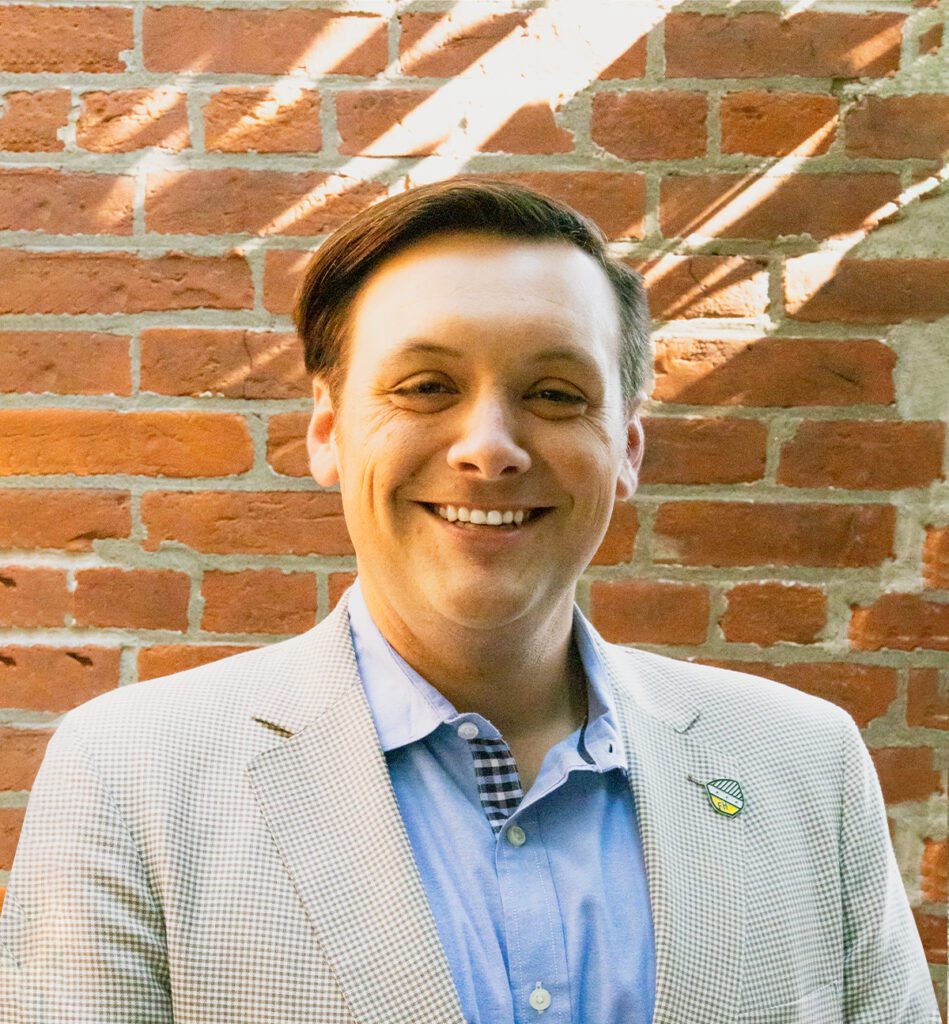
Assistant Executive Director for Communications & Alumni Engagement
Oklahoma State 08
Cody Cramer has served as the Assistant Executive Director for Communication and Alumni Engagement since March 2020. Previously, Cody worked at Oklahoma State University in student recruitment, student retention and in new student orientation communication roles.
Actively involved in FFA and agriculture in Oklahoma, Cody attended Oklahoma State University graduating with a B.S. in Agribusiness in 2011 and M.S. in Agricultural Communications in 2013. Cody was a member of the Oklahoma State FarmHouse Chapter serving a term as pledge class treasurer and five semesters as social chairman of the chapter.
Cody and his wife, Anna, and their children, Campbell and Crosby, reside in Edmond, Okla. Active in his community, Cody has served on the local young professionals board and is currently the programming chair for the Fraternity Communications Association organization. They are diehard Oklahoma State sports fans and spend their free time attending athletic events.
Nancy “Jo” Berryman joined the FarmHouse Foundation staff in May 2002 as part-time administrative assistant and bookkeeper. She serves as the staff member responsible for the Foundation’s bookkeeping, accounts payable, accounts receivable, grant and scholarship payments, deposits and banking activity.
Before coming to FarmHouse, Jo retired from Honeywell in Kansas City where she worked for 31 years. She is a native of Lincoln, Neb. Her volunteer activities include the Red Cross, King of Kings Church and tutoring for Laubach Literacy Program. She and her husband, Bill, reside in northern Kansas City, Mo. She enjoys walking, hiking and family activities.
Miranda is the Director of Annual Giving for FarmHouse Foundation, which she began in
October 2022. She is responsible for the development and execution of the Foundation’s
fundraising initiatives, through well-coordinated communications and solicitations consisting of direct mail, email, social media, annual FH Day of Giving, Chairman’s Club membership, events, phone and personal outreach.
Originally from Peculiar, Mo., Miranda graduated from Northwest Missouri State University (NWMSU) in Maryville, Mo in May 2022. She earned a double bachelor of arts degree in public relations and organizational communication while working three jobs and being an active member of Phi Mu sorority. During her last two years at NWMSU, she was Vice President of Financial Procedures for the Panhellenic Council, an organization to support, advocate and advance women’s sororities on the NWMSU campus. In this position, she was able to plan and implement philanthropy events for all sorority women to participate in and to benefit non-profit organizations in the community.
Outside of the office, Miranda loves to explore the different areas of Kansas City with her
friends, cook new recipes she likes on Pinterest, and play with her pitbull, Sophie. Miranda
resides in Lee’s Summit, Mo., with her two roommates and loves getting to travel to the city for work.
Michaela serves as the Director of Stewardship for the FarmHouse Foundation and has been on the staff since July 2012. She is responsible for the development and implementation of the Foundation’s comprehensive stewardship program to recognize donors at all levels, promote interaction and create meaningful opportunities for engaging donors. She also oversees the Foundation’s database management, giving societies and scholarship program as well as assists with financial statements.
Michaela is originally from Hays, Kan., and graduated in May 2012 from Kansas State University with degrees in public relations and print journalism with a minor in leadership studies. She is a member of Alpha Xi Delta and held multiple positions throughout her college years including Vice President of Programs. She interned with the Kansas State University Alumni Association for a year working with their fundraising campaigns. She was also a member of Sigma Alpha Lambda leadership fraternity.
Michaela’s husband, Jeff, is a project manager at Oracle Cerner, a leading provider of digital information systems used within hospitals and health systems to enable medical professionals to deliver better healthcare to individual patients and communities. Michaela, Jeff and their two children, Ethan and Isla, live in Kansas City, Mo.
Assistant Executive Director for Communications & Alumni
Engagement
Oklahoma State 08
Lorem ipsum dolor sit amet, consectetur adipiscing elit. Mauris euismod tempus pulvinar. Cras mattis mauris sit amet molestie viverra. Nulla cursus auctor iaculis. Aliquam cursus rhoncus mi et sollicitudin. Aenean ac ex nulla. Duis vehicula massa non tortor iaculis sagittis. Praesent ac erat at metus ultricies mollis vitae non nisl. Curabitur congue eget purus a dictum. Mauris euismod neque nec mauris ornare vehicula. Integer lacinia risus eget mauris suscipit varius. Praesent sapien augue, sollicitudin sit amet aliquet id, luctus iaculis leo. Nulla congue nulla sit amet est sollicitudin venenatis. Etiam sed pretium turpis. Nam lobortis augue ante, at sagittis eros auctor id.
Pellentesque habitant morbi tristique senectus et netus et malesuada fames ac turpis egestas. In eleifend lorem sed pulvinar pellentesque. Ut laoreet enim in magna facilisis elementum. Praesent vitae aliquet risus, sed feugiat dolor. Cras sed mi ut massa mollis varius in in dui. Curabitur at nisl a ex aliquet venenatis sit amet lacinia ipsum. Integer suscipit vehicula velit, id vehicula sem. Duis sit amet tortor tincidunt, mattis purus et, finibus felis. Mauris sit amet rhoncus diam, id blandit purus. Sed nec rutrum nisi, vel ultricies sapien. Ut ac nulla aliquam, malesuada diam quis, luctus elit. Aenean et lobortis massa, in porta libero.